Should Your Golf Course Replace Its Beverage Cart?

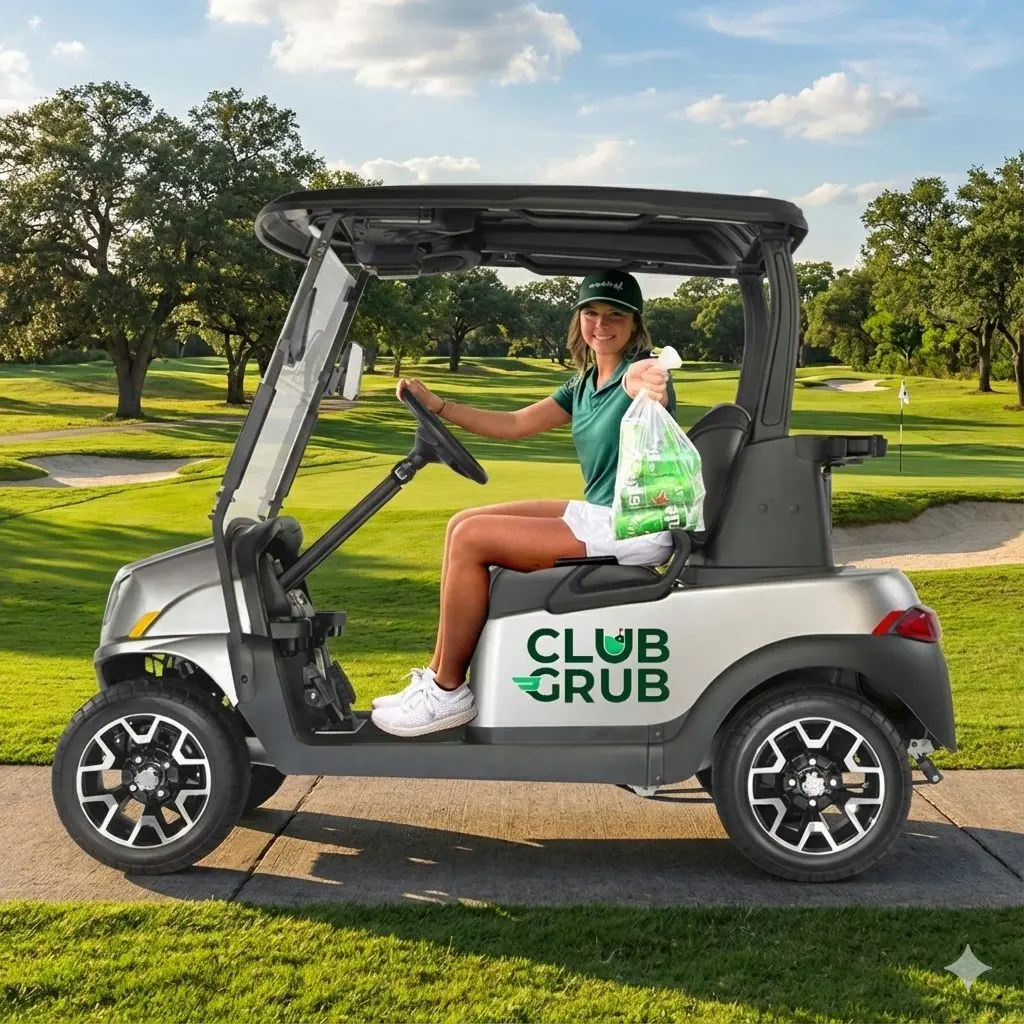
A beverage cart is a familiar part of the round and, at many facilities, a valued hospitality touchpoint. Yet operators also know the limitations: fixed routes, inconsistent contact with golfers, staffing requirements, and a compact menu. If you are considering a golf course beverage cart replacement, a better first question is whether you want to remove the cart—or solve the reasons it sometimes misses an order.
When a beverage cart still works well
A high-volume course with a strong cart program may benefit from face-to-face interaction, spontaneous drink purchases, and tournament service. Carts can also reinforce an important part of the guest experience. If golfers regularly see the cart, staffing is appropriate, and contribution margins are healthy, replacing it outright may not make sense.
When the fixed-loop model struggles
Coverage becomes difficult when a single cart serves 18 or 27 holes, when the course has challenging paths, or when demand peaks in one area while the cart is elsewhere. Food selection is constrained by available space, safe holding conditions, and inventory. On slow days, scheduled cart hours may be difficult to justify.
Consider a digital beverage cart approach
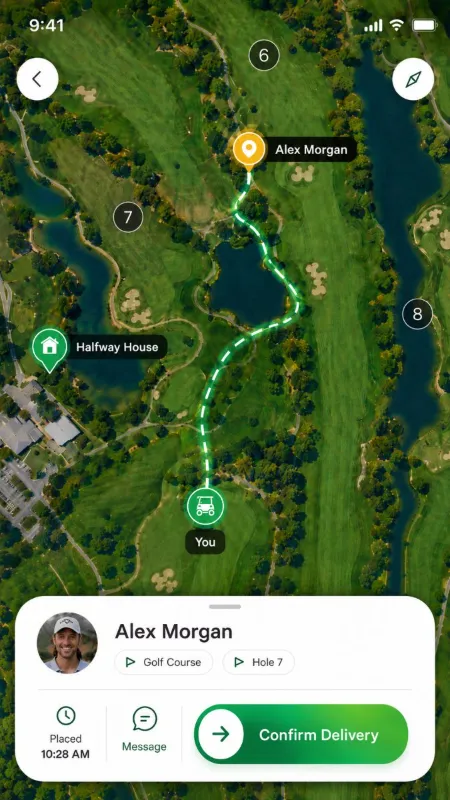
Golf course beverage cart ordering can start on the golfer's phone. A customer browses drinks and food, places an order, and receives an eligible delivery or pickup option. A runner can deliver based on the request rather than circulating continuously. This may be especially useful for made-to-order food that would not normally ride on a cart.
ClubGrub supports the mobile ordering, kitchen communication, and GPS-guided delivery components of this model. You can deploy it alongside an existing cart rather than replace the cart immediately.
Run a fair pilot
Compare matched service windows for a few weeks. Measure the share of rounds purchasing F&B, sales per round, labor hours, product mix, order fulfillment time, and satisfaction. Record additional kitchen workload and delivery cost. Check whether online orders are genuinely incremental or simply displace cart purchases.
Try different approaches: keep the cart on peak Saturdays, use order-ahead pickup at the turn on weekdays, or dispatch a delivery runner in specific zones. Hybrid service often deserves a test before any permanent change.
Make the decision based on the property
A cart may remain the right answer for certain golfers, tournaments, and days. An app-based model can offer additional reach and flexibility, but it must be operationally sustainable. Before changing alcohol delivery, check applicable rules, licenses, and age-verification procedures.