Golf Course Beverage Carts vs. On-Demand Delivery: Costs and ROI
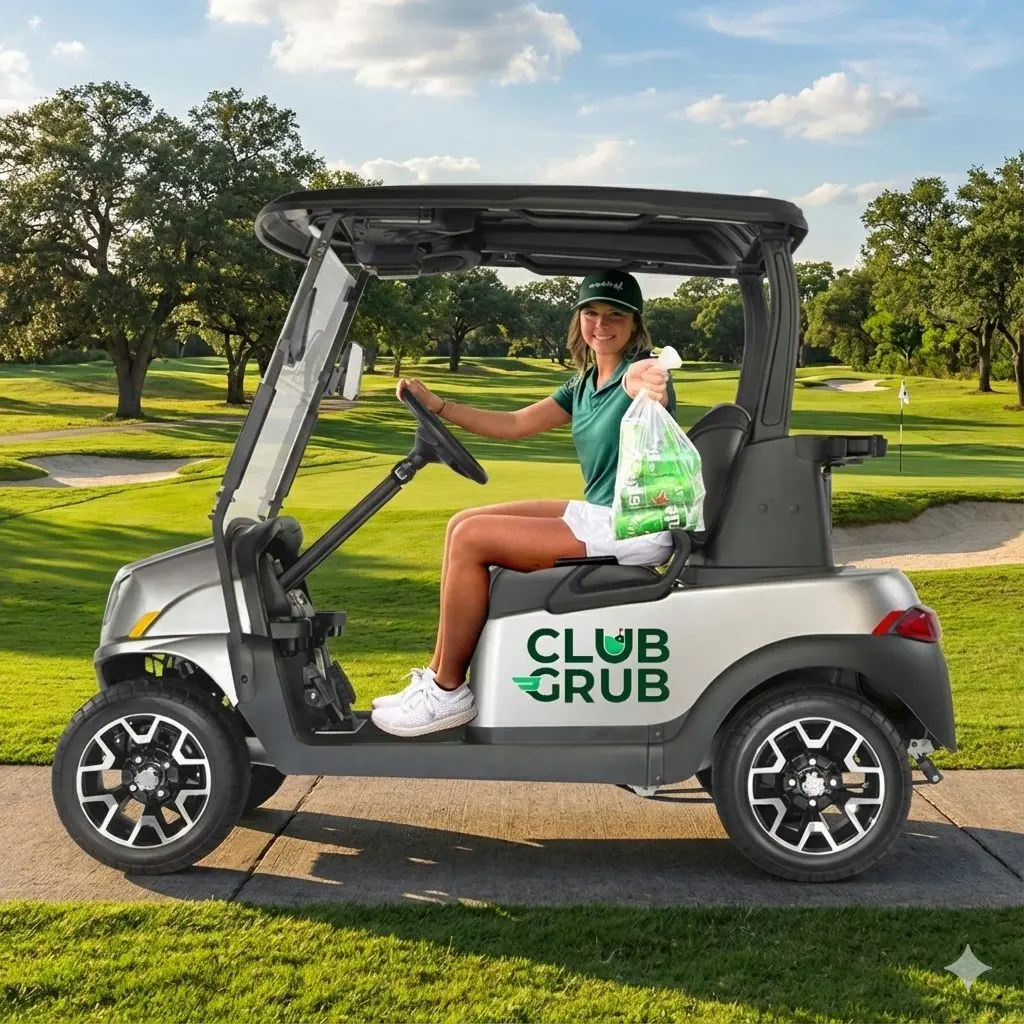
The beverage cart is part of golf culture. It also creates a logistical challenge: one cart travels a large footprint, and a golfer's opportunity to purchase depends on when the cart appears. GPS-based on-demand delivery changes that model by letting the customer initiate the order and a staff member deliver to the requested location.
The better question is not which model is universally superior. It is which combination best fits your course, service expectations, staffing, and unit economics.
How traditional beverage cart economics work
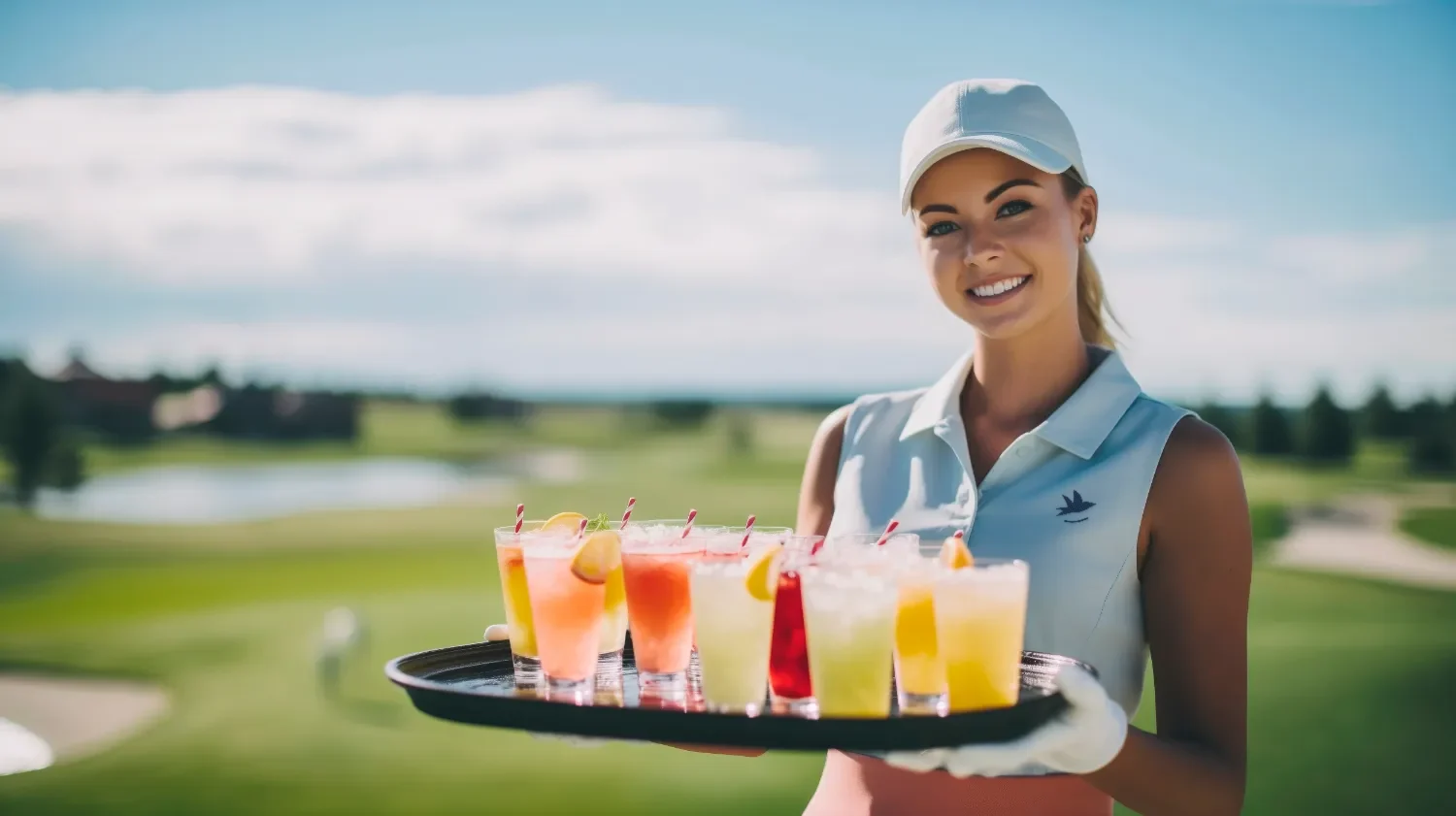
A beverage cart offers spontaneous, face-to-face purchases, particularly for drinks and ready-to-serve snacks. Its cost structure can include scheduled labor, cart usage, inventory, restocking, spoilage, fuel or charging, and the time spent making rounds. Strong operators can run profitable carts, especially during outings and high-volume days.
Its main limitation is coverage. When demand and cart location do not match, a golfer may choose to go without. A busy halfway house may not fill that gap.
How on-demand golf course delivery works
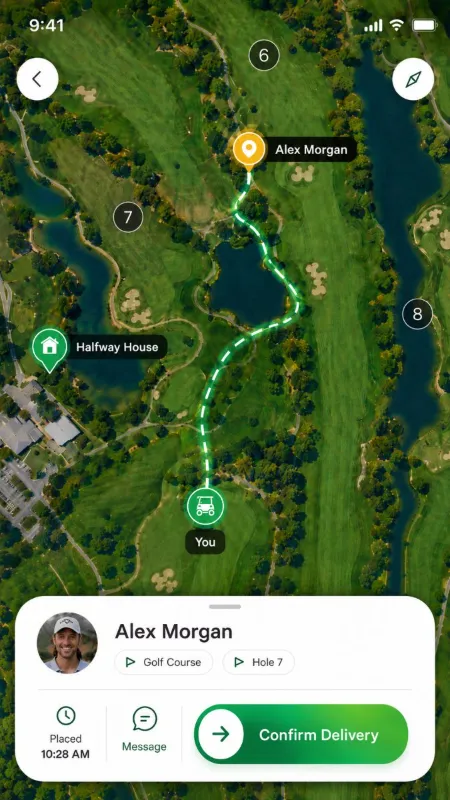
With golf course mobile ordering, a golfer orders through a phone. The kitchen or bar prepares the ticket, and a driver uses the order's GPS location for fulfillment. A runner can often handle multiple orders on a route, but that efficiency depends on geography, demand density, weather, and staffing.
On-demand ordering may also support a broader menu than a cart can safely carry. The tradeoff is that freshly made food requires packaging, preparation time, dispatch discipline, and reliable delivery estimates.
Compare contribution margins, not headlines
For each model, calculate sales less direct product costs, packaging, payment fees, and attributable labor. Allocate a reasonable share of cart and equipment expense. Then look at orders per staff hour and revenue per operating hour.
For example, if a delivery program processes 25 orders with a $20 average ticket, it generates $500 in gross sales. That is not $500 in profit. You would subtract product costs, packaging, and staff delivery time, then account for cannibalized sales before evaluating incremental ROI.
The hybrid model is often worth testing
A club may keep beverage carts for high-touch hospitality while allowing guests to order a full meal by phone. Or a slower-day cart employee may become a targeted runner rather than drive a fixed loop. The optimal choice may vary by weekday, season, and tournament calendar.
ClubGrub enables both golf course beverage cart ordering strategies and GPS-guided delivery workflows. It does not require every course to eliminate its cart program.
Questions to ask before changing the service model
Can the kitchen handle additional tickets? What is the maximum practical delivery radius? Which products hold quality? Are alcoholic beverages permitted to be delivered under applicable licensing rules? Do course paths support safe staff dispatch? How will you measure beverage-cart sales displaced by the new channel?