What Is a Good Food & Beverage Revenue per Golf Round?
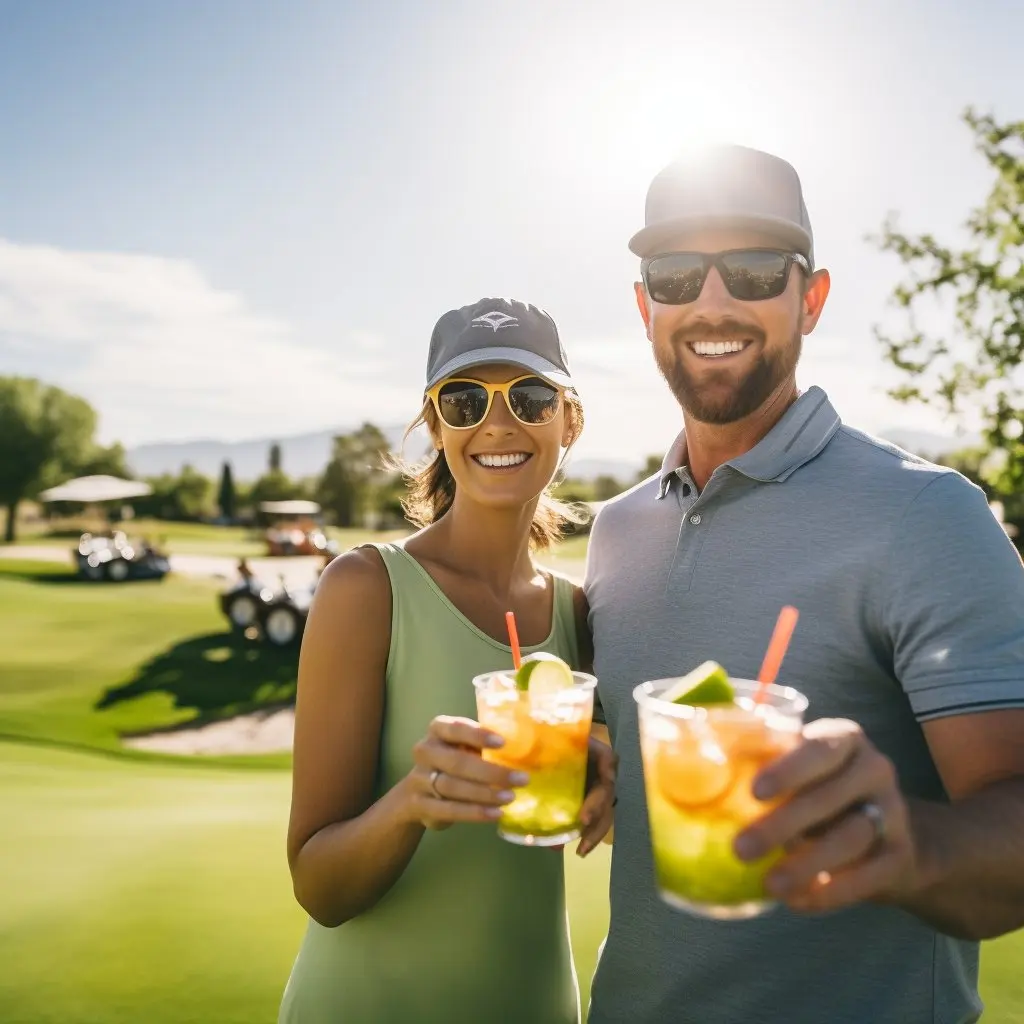
Food and beverage revenue per golf round is one of the simplest ways to evaluate how effectively a course serves golfers beyond the green fee. It connects the F&B operation to actual golf traffic, making trends easier to see even when total rounds rise or fall. But a single universal "good" number is misleading: private clubs, daily-fee courses, resorts, and facilities with limited food service have very different business models.
How to calculate F&B revenue per round
Use this formula:
On-course and golf-related F&B revenue ÷ rounds played = F&B revenue per round.
If a course generates $180,000 in relevant food and beverage sales over 24,000 rounds, its result is $7.50 per round. This is a hypothetical example, not a published industry median. Decide consistently whether you include clubhouse dining, tournament meals, beverage cart sales, and taxes or gratuities. For meaningful comparisons, separate banquet and unrelated community dining activity.
What is a realistic benchmark?
The right benchmark comes from facilities that resemble your own. Compare course type, guest versus member mix, average round duration, region, climate, number of F&B outlets, and operating schedule. The National Golf Course Owners Association's 2026 benchmarking initiative emphasizes peer groups and quartile-based comparisons rather than a single industry-wide figure.
A facility with just a beverage cart cannot be compared fairly with a destination resort offering multiple restaurants. Likewise, a private club with significant member dining may report high total F&B revenue that is not attributable to rounds played.
Segment the number before changing strategy
Break F&B revenue per round into weekdays, weekends, tournaments, mornings, afternoons, and beverage-cart coverage periods. Also track order incidence—the share of rounds associated with an F&B transaction—and average order value. These measures tell you whether the issue is too few customers ordering, smaller tickets, or unavailable service.
How mobile ordering changes access
Golf course mobile ordering gives golfers another way to buy food and drinks without leaving the course. An eighth-hole order for halfway house pickup or a delivered lunch on the back nine can capture occasions when a traditional counter or beverage cart is inaccessible. ClubGrub supports mobile ordering through app, web, and QR access with pickup or GPS-guided delivery workflows.
Calculate the opportunity responsibly
Consider a 25,000-round facility. An improvement of $1 per round equals $25,000 in additional annual gross sales if all other assumptions hold. A $2 improvement would imply $50,000. These are sensitivity calculations, not a promise. To evaluate economic value, subtract incremental food costs, packaging, payments, and fulfillment labor, and distinguish genuinely new orders from orders shifted out of other channels.
A better target than someone else's average
Establish a clean baseline, compare with a credible peer group, and set a measurable 90-day goal. If the number improves without worsening contribution margin, guest experience, or course pace, the change is worth investigating further.
Explore more golf course F&B revenue opportunities and ways to make ordering easier for golfers and members.